
What is the ATmega328P Microcontroller?
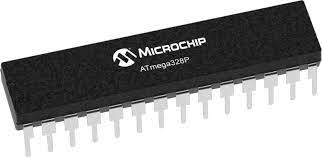
The ATmega328P is a high-performance, low-power 8-bit RISC-based microcontroller from the AVR family, developed by Microchip Technology (formerly Atmel). It is arguably the most recognizable microcontroller in the world due to its role as the "brain" of the Arduino Uno. Known for its balanced mix of performance, power efficiency, and integrated peripherals, it is the go-to choice for both rapid prototyping and permanent embedded installations.
Core Specifications:
- Memory: 32KB Flash (for code storage), 1KB EEPROM, and 2KB SRAM.
- Speed: Up to 20MHz operating frequency (typically 16MHz in Arduino applications).
- Peripherals: 23 programmable I/O lines, 8-channel 10-bit ADC, hardware SPI/I2C (TWI), and a programmable USART for serial communication.
Common Applications of the ATmega328P
The versatility of the ATmega328P microcontroller allows it to serve in a vast range of environments:
- The Arduino Ecosystem: It serves as the primary processor for the Arduino Uno, Nano, and Pro Mini. Its compatibility with the Arduino IDE makes it the standard for teaching firmware development and electronics globally.
- Robotics and Motion Control: From basic obstacle-avoiding robots to sophisticated ATmega328P DC motor control systems using H-bridges, the chip handles PWM generation and real-time sensor feedback with ease.
- Industrial and Automotive Sensing: It is frequently implemented in industrial monitoring, such as PID controllers for temperature regulation, and in automotive aftermarket gadgets for reading vehicle data via OBD-II.
- Wireless and IoT Nodes: When paired with external modules, it excels in wireless data logging. Popular configurations include ATmega328P Bluetooth and IR sensor integration for remote-controlled smart home devices.
- Rapid Prototyping: Available in the 28-pin DIP (Dual Inline Package), it is breadboard-friendly, allowing engineers to quickly test circuit concepts before moving to a custom PCB design.
Why Choose the ATmega328P?
While newer 32-bit processors offer more speed, the ATmega328P remains relevant because of its robustness. It operates safely at 5V, which is the standard for most hobbyist sensors and actuators. Additionally, the massive community support, comprehensive libraries, and extensive tutorials ensure that even the most complex "custom applications" have a documented starting point.
In summary, the ATmega328P is the "Swiss Army Knife" of microcontrollers—affordable, reliable, and perfectly suited for everything from educational workshops to low-power industrial embedded systems.
